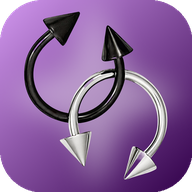
1. Single or double lobe
Still the strongest opener: 2/10 pain, healed in 6–8 weeks, $20–$50, and it takes everything from a plain flat-back stud to a 4mm hoop. A matched pair or a deliberate single both work.
Men's ear piercings run on different rules: fewer pieces, heavier hardware, and placements chosen for structure rather than sparkle. Here is what reads sharp, what the office tolerates, and what the healing months actually ask of you.
Reviewed and updated 2026-07-22
The strongest ear piercings for men follow a restraint principle: one or two deliberate pieces beat a crowded ear almost every time. A single lobe with a small black or steel hoop, or a lone industrial bar across the upper ear, carries more weight than five small studs.
The old 'which ear is the gay ear' code is dead — pierce whichever ear you like, or both. What still matters is symmetry intent: one pierced ear reads edgier and more deliberate; both ears read balanced and more classic. Decide which effect you want before the needle, because adding the second later changes the whole look.
Hardware choice does the masculine styling work. Matte black titanium, brushed steel, and simple gold hoops in 16g or thicker look intentional; tiny 20g sparkly studs read borrowed. Go implant-grade titanium for anything fresh regardless of finish.
Ranked for visual impact, versatility, and how forgiving the healing is for gym-and-helmet lifestyles.
Still the strongest opener: 2/10 pain, healed in 6–8 weeks, $20–$50, and it takes everything from a plain flat-back stud to a 4mm hoop. A matched pair or a deliberate single both work.
A small ring or barbell on the upper rim adds edge without demanding attention. Cartilage healing is the tax: 6–9 months and no sleeping on it early — plan around your sleep side.
The most architectural men's placement — one straight 14g bar through two points of upper cartilage. Highest pain on this list (about 7/10) and 9–12 months of healing, but nothing else looks like it.
A stud in the ear's center bowl is subtle head-on and striking in profile. Takes thicker jewelry well, suits larger ears, and hides under over-ear headphones better than rim placements once healed.
The tucked inner-ridge hoop for men who want something visible only on second glance. Around 6/10 to get, 6–9 months to heal, and earbuds are compromised during healing — a real cost if you live in them.
A single dark stud on the flat plate below the rim is the quiet option — barely there in daily life, clearly deliberate up close. Good first cartilage choice for minimalists.
| Feature | One ear pierced | Both ears pierced |
|---|---|---|
| Overall read | Asymmetric, edgy, deliberate | Balanced, classic, lower-key |
| Styling range | One statement piece or a small same-side stack | Matched studs or hoops; mismatching takes more skill |
| Healing logistics | Whole other side free for sleep, phone, headphones | Both sides tender at once if pierced together |
| Changing your mind | Easy to add the second ear later | Retiring one side leaves a visible mark for a while |
Corporate tolerance for men's ear piercings has climbed fast, but it lags what women get away with. A small lobe stud passes almost everywhere now; a healed helix usually does; an industrial bar still turns heads in formal fields. If your workplace is conservative, heal with a low-profile flat-back stud and decide about hoops later — you can always dress a piercing down, but you cannot pause the healing clock.
The gym is the bigger daily factor. Barbells across shoulders, wrestling mats, and helmet straps all find fresh cartilage with uncanny accuracy. Lobes shrug this off after a few weeks; helix and industrial piercings need months of deliberately keeping pressure and sweat-soaked contact off them. Rinse with sterile saline after training and never sleep on the pierced side until it settles.
If you ride — motorcycle, cycling, snow — factor the helmet in before choosing a side and placement. An industrial under a snug helmet liner during healing is a bad year.
Decide one ear or both and preview the exact spot on a photo of your own ear — hoop vs. stud vs. bar changes the verdict more than most men expect.
Professional piercers use single-use needles; guns are for nothing on a man's ear, least of all cartilage. Expect $20–$50 for a lobe, $40–$100 for cartilage work.
Paperwork, marking, one sharp second per piercing, jewelry in. You will be out in twenty minutes and mildly annoyed it was that easy.
Saline twice daily, no twisting, no early jewelry swaps, downsize the post when your piercer says. Cartilage takes 6–12 months — the men who rush this are the ones with bumps.
Whichever you prefer — the left/right meaning code is long gone. Practical tiebreakers: pierce the side you don't sleep on, and the side that won't fight your helmet or phone habits during healing.
A small stud in the lobe passes in nearly every workplace now, and a healed helix usually does too. In formal fields, heal with a flat-back stud in dark or neutral metal and save hoops for off hours.
Placement matters less than hardware: thicker gauges, matte black or steel finishes, and simple shapes read masculine at any spot. The industrial bar is the most distinctly structural choice; a single lobe hoop is the most classic.
Lobes are about 2/10 — a quick pinch. Helix and conch land around 5–6/10, and the industrial about 7/10 since it is two cartilage passes in one sitting. The needle is seconds; weeks of tenderness to pressure is the real ask.
Yes, with care: nothing pressing on it, saline rinse after sweaty sessions, and no contact-sport headgear grinding a fresh cartilage piercing. Lobes tolerate sport within weeks; cartilage placements want months of protection.
Stud — specifically a flat-back labret in implant-grade titanium. Hoops move with every touch and irritate fresh piercings. Once healed, swap to the hoop; that is the look most men were after anyway.
Piercing Types
The earlobe is the classic first piercing — soft tissue, quick healing, and endless jewelry options. Easy does not mean careless, though: how you get it done and what goes in first still decide whether it heals in weeks or nags for months.
Piercing Types
The industrial is two cartilage piercings connected by one straight barbell across the upper ear — the boldest statement on the ear piercing menu. It is striking, architectural, and unforgiving: two holes healing at once, connected by a bar that transmits every bump to both.
Piercing Types
Most men googling this aren't asking about jewelry — they're asking whether the side still means something. Short version: it doesn't, and hasn't for a long time. Here's the honest history, how to actually choose a side, and which one-ear looks land best.
Piercings by Aesthetic
Minimalism is the hardest aesthetic to fake because there is nowhere to hide — three or four perfectly placed piercings, one metal, and enough empty ear that each stud actually registers.
Piercing Tools
The chart above ranks every piercing from the 2/10 earlobe to the 8/10 snug. This guide explains where those numbers come from — the tissue science, the psychology, and the things that genuinely move a piercing up or down the scale.
Piercing Quizzes
Six honest questions — pain tolerance, how long you can baby a healing piercing, what your job allows, your style, your budget, and how committed you are — matched against eight realistic first-choice piercings.